
What are wisdom teeth?
Wisdom teeth are the final molars to develop, usually in the late teens or early adulthood. Their position and available space can vary considerably between people.
Wisdom teeth can develop normally, remain partly erupted, or become impacted. An examination and appropriate imaging help determine their position and whether treatment is needed.
Not every wisdom tooth requires removal. Recommendations depend on symptoms, cleaning access, infection, damage, and the tooth’s relationship with surrounding structures.
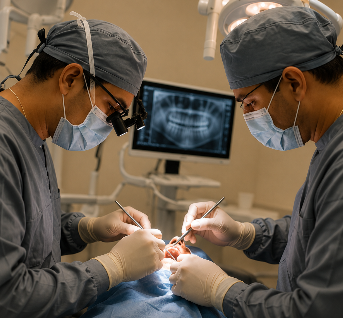
Your dentist will explain the findings, alternatives, expected recovery, and when referral may be appropriate.
The intended outcome depends on the reason for treatment and the individual procedure. Your dentist will discuss risks, recovery, and follow-up care before proceeding.
Wisdom teeth are the final molars to develop, usually in the late teens or early adulthood. Their position and available space can vary considerably between people.
The dentist will examine the area and may recommend imaging to understand the tooth’s position. If removal is advised, the procedure and anaesthesia options will be explained before treatment.
Follow the written instructions provided after extraction, protect the area while it heals, and contact the clinic if you have concerns about bleeding, swelling, pain, or healing.
No. Some wisdom teeth can be monitored if they are healthy, functional, and easy to keep clean. The recommendation depends on the individual examination.
An impacted wisdom tooth is blocked from erupting normally by gum, bone, or another tooth. Imaging helps assess its position.
Recovery varies with the tooth and procedure. Your dentist will provide individual aftercare instructions and explain what to expect.
Book an appointment to discuss pain, swelling, impaction, or any concern about a wisdom tooth.