
What causes tooth discoloration?
Discoloration may be linked to food and drink, tobacco, ageing, medication, trauma, or changes inside a tooth. Identifying the cause helps set appropriate expectations.
Teeth can darken or stain because of food and drinks, tobacco, age-related changes, medication, or changes within the tooth. A dental assessment helps determine whether whitening is suitable.
Professional whitening is planned around your oral health and goals. Existing fillings, crowns, and veneers may not change colour in the same way as natural teeth.
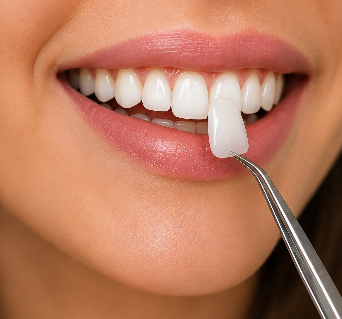
Your dentist will discuss the available approach, possible sensitivity, and how existing dental work may respond.
Whitening can lighten some types of natural tooth discoloration, but the degree and duration of change vary with the cause of staining and daily habits.
Discoloration may be linked to food and drink, tobacco, ageing, medication, trauma, or changes inside a tooth. Identifying the cause helps set appropriate expectations.
Whitening is generally considered only after the dentist checks for active decay, gum concerns, sensitivity, and restorations. The most suitable approach depends on your examination.
Your dentist will explain the planned whitening process and how to manage temporary sensitivity if it occurs. Limiting strongly staining foods and drinks may help maintain the change, though results vary.
Whitening changes natural tooth structure differently from many restorations. Your dentist can explain how existing dental work may affect the overall shade.
Results vary with the original cause of discoloration, diet, tobacco use, oral hygiene, and natural changes over time.
Not everyone is an immediate candidate. A dental assessment is needed to check oral health and whether whitening is appropriate.
Book a consultation to discuss the cause of discoloration and whether professional whitening may suit your smile.